Introduction: Why Scaffolding Choices Matter More in 2025
Across Australia, the construction landscape in 2025 is evolving. Safety standards are higher. Project timelines are tighter. Labour and compliance pressures are mounting. In this environment, scaffolding is more than just a temporary access structure. It is a system that has a direct impact on productivity, cost control, and site compliance.
Builders today must think beyond basic access. The choice of scaffolding influences how fast work moves, how safe teams remain, and how smoothly inspections go. On job sites around the country, three main system types are now common. Knowing how they differ helps builders plan better and avoid costly delays.
Recent industry insights, such as the Australia modular scaffolding growth forecast, show that modular scaffolding adoption is increasing as projects demand flexibility and strength. Another industry analysis on the Australian construction scaffolding market outlines how diverse system requirements are shaping purchasing decisions and safety practices. These trends underline why understanding scaffolding systems matters more than ever.
The Three Scaffolding Systems Dominating Australian Job Sites
Lightweight and Mobile Systems for Fast-Paced Work
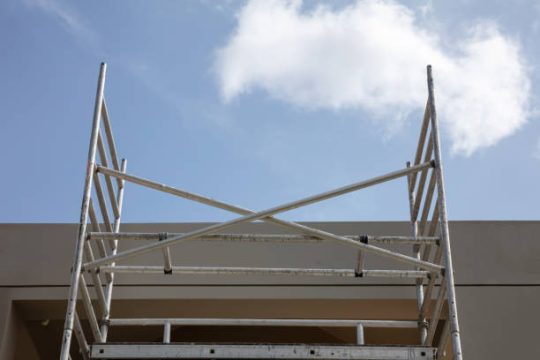
Lightweight mobile systems are increasingly common on interior and short-duration projects. They are designed for speed and flexibility rather than heavy load capacity. These systems are easy to assemble, relocate, and store, which makes them ideal for maintenance work, fit-outs and service trades.
Many builders turn to aluminium scaffold towers when work needs to move frequently across a site. They suit indoor environments well and reduce manual handling strain. They are best used where heights are moderate and load requirements are predictable. They are not suitable for very high elevations or heavy materials where stability and anchoring become critical.
Modular Scaffolding for Strength and Versatility
For large-scale construction and high-rise work, modular systems remain the backbone of Australian scaffolding. These systems are built around repeatable components that lock together to create strong, adaptable structures.
Kwikstage scaffolding continues to be widely used because it balances strength with speed of assembly. It supports higher loads, accommodates complex site layouts, and scales easily as a project grows. This type of system suits long-term builds, commercial developments, and sites where multiple trades operate at the same time. While setup takes more planning, the long-term stability and flexibility often outweigh the initial effort.
Platform Materials That Affect Safety and Performance
The platform itself plays a major role in overall scaffold performance. Builders often focus on frames and standards while overlooking what workers actually stand on.
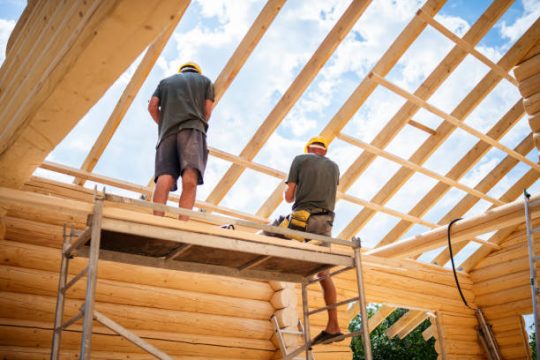
Traditional timber plank platforms are still widely used across different systems. They offer a natural grip and are easy to replace when damaged. However, they require regular inspection and proper support spacing to remain safe. Engineered alternatives may offer higher uniformity, but timber remains common due to familiarity and versatility. Choosing the right platform material affects slip resistance, load distribution, and inspection routines.
Safety Compliance and Performance Expectations in 2025
Australian construction sites are facing stricter expectations around scaffold inspection documentation and load ratings. Systems must not only be safe but also easy to verify and maintain. Mobile systems often require more frequent checks due to movement. Modular systems demand accurate installation and consistent component quality.
In this environment, selecting the right system is more important than choosing the cheapest option. A system that aligns with site conditions and usage patterns reduces downtime and compliance risk over the life of a project.
Choosing the Right Scaffolding System for Your Project
Project Size and Duration
Short-term projects benefit from fast assembly and easy relocation. Long-term projects need stability and scalability. Matching system type to project duration helps avoid unnecessary labour and rework.
Site Conditions and Workforce Needs
Indoor sites with tight access call for lighter systems. Outdoor sites with height exposure demand robust modular structures. The experience level of the workforce also matters since simpler systems reduce training and handling errors.
How Experienced Suppliers Support Better Scaffolding Decisions
Good scaffolding decisions are rarely made in isolation. Experienced suppliers do more than deliver equipment. They help assess site needs, manage compatibility, and ensure components meet current standards.
Gw equip operates in this space by supporting builders with practical system selection, local knowledge, and reliable supply. This approach helps projects stay compliant and efficient without overcomplicating procurement.
The Future of Scaffolding: What Builders Should Prepare For
Scaffolding systems are moving toward lighter components, higher load efficiency, and greater compatibility across platforms and frames. Builders who understand system differences now will be better positioned to adapt as standards and expectations continue to evolve.
Conclusion: Building Smarter with the Right Scaffolding Systems
In 2025, understanding scaffolding systems is part of building smarter. Knowing when to use mobile solutions, modular frameworks, or specific platform materials helps reduce risk and improve site efficiency. The right choice supports safer work, faster progress, and stronger outcomes across Australian construction projects.