
How to Choose Scaffold Decks, Guardrails and Access Components
When people buy scaffolding, they often focus on the main frame first: standards, ledgers, transoms and braces. The smaller components get added later. That is


1.8M NARROW ALUMINIUM MOBILE SCAFFOLD TOWER (PLATFORM HEIGHT)

3M LONG ALUMINIUM MOBILE SCAFFOLD TOWER (PLATFORM HEIGHT)

4M LONG ALUMINIUM MOBILE SCAFFOLD TOWER (PLATFORM HEIGHT)

4M DOUBLE ALUMINIUM MOBILE SCAFFOLD TOWER (PLATFORM HEIGHT)

Brace

Standard

Truss Transom

Transom

LVL Timber-150*77mm Beam

LVL Timber-95*65mm Joist Beam

When people buy scaffolding, they often focus on the main frame first: standards, ledgers, transoms and braces. The smaller components get added later.
That is usually where problems start.
Scaffold decks, guardrails and access components determine how people actually use the scaffold every day. A system may be structurally sound, but if the deck is too narrow, the access point is awkward or the edge protection does not match the working level, the scaffold becomes harder to work from and easier to misuse.
The safety context is significant. Safe Work Australia recorded 24 worker fatalities caused by falls from height in 2024, representing 13% of all worker fatalities. Construction recorded 37 fatalities overall that year.
For builders buying or expanding a scaffold system, these are the components worth thinking through before placing the order.
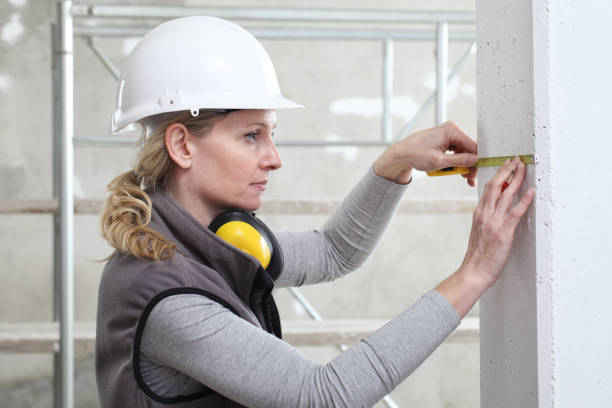
The deck is where the work actually happens, so the first question should not be “steel or timber?” It should be “what will be happening on this platform?”
A bricklayer may need space for workers, tools and materials. A painter may need a long, clear working run. Maintenance work may require less material storage but frequent movement between levels.
In Victoria, WorkSafe’s Scaffolding Industry Standard states that scaffold planks should comply with AS/NZS 1577:2018. It gives a nominal minimum plank width of 225 mm and says planks below 220 mm should not be used to construct scaffold platforms.
Steel scaffold decks are useful where buyers want consistent dimensions, positive engagement with the scaffold system and straightforward cleaning. They can work particularly well in modular systems where the bay dimensions are known in advance.
A timber plank remains a practical option on many Australian sites. Timber provides a familiar surface underfoot and individual damaged planks can be replaced without replacing an entire platform.
For buyers who want engineered timber with more consistent dimensions, lvl timber and purpose-made LVL scaffold planks are also worth considering. The important point is to distinguish structural LVL products from scaffold planks specifically manufactured and rated for use as decking.
Whatever material you choose, inspect it rather than relying on appearance alone. WorkSafe Victoria advises against using timber scaffold planks that are split, excessively worn, warped, twisted or affected by rot. Metal planks should also be checked for issues such as cracked welds or damaged fixings.
Guardrails should not be treated as optional extras added after the scaffold is already standing.
WorkSafe Victoria recommends guardrails and mid-rails as edge protection on scaffolding, together with toe boards or kick boards and mesh where falling objects may create a risk below. It also recommends that work takes place only on scaffold bays with a full deck of planks.
With Kwikstage scaffolding, ledgers can form part of the guardrail arrangement. That makes component selection easier, but only when the ledger length, lift height and overall bay configuration match the scaffold design. GW Equip’s Kwikstage ledgers, for example, are made from 48 mm scaffold tube and use wedge connections at each end.
The practical buying question is therefore not simply “how many guardrails do I need?” You need to consider:
Ordering the main scaffold first and working these numbers out later often leads to missing components and another delivery.
Access components are one of the most overlooked parts of scaffold purchasing.
In August 2025, WorkSafe Victoria issued a safety alert after an apprentice fell 4.7 metres from a residential construction site in Camberwell. There was no safe access point to the hanging bracket scaffold, and the worker stood on a timber guardrail that partially detached.
That incident is a useful reminder that workers will still need to get onto the platform somehow. If proper access is not designed into the system, makeshift access tends to appear.
Depending on the scaffold and job, access may involve:
Useful where space is limited and the scaffold is relatively straightforward. Ladder openings should not leave an uncontrolled hole in the working platform.
Usually more practical where workers are moving frequently between levels or carrying tools and materials. Stairs also make access easier on larger commercial or multi-level projects.
These help maintain edge protection around entry points while allowing workers to move onto the platform.
For national guidance on planning and managing scaffold access, inspection and related risks, see Safe Work Australia’s Guide to Scaffolds and Scaffolding.
One of the biggest purchasing mistakes is treating scaffold components as interchangeable because they look similar.
They may not be.
WorkSafe Victoria guidance specifically recommends ensuring scaffold components are compatible. Differences in dimensions, connections and tolerances can create problems even when two products appear almost identical from a distance.
If you already own Kwikstage scaffolding, check the dimensions of your existing standards, ledgers, transoms and platform arrangement before ordering additional decks or access equipment.
For larger contractors, standardising a fleet around a known system can also make stock management easier. Crews spend less time looking for the right bracket or ledger, and damaged components are easier to replace.
A useful purchasing list should start with the site, not the catalogue.
| Site Requirement | Components to Check |
|---|---|
| Bricklaying or material-heavy work | Deck capacity, full platform width, toe boards, suitable access |
| Façade work | Long working runs, guardrails, hop-ups, ladder or stair access |
| Multi-level scaffold | Access gates, stair towers, working lifts, edge protection |
| Tight residential site | Bay dimensions, internal ladders, compact access components |
| Frequent material movement | Wider access, stairs, clear deck area |
| Exposed site | Plank restraint, component condition, ties and edge protection |
This also applies when scaffolding is only one part of the order. A contractor purchasing formwork for sale for concrete work may have very different access and material-handling requirements from a crew doing façade maintenance.
Looking at the complete job before purchasing usually gives a more useful equipment list.

A good scaffold setup is a system.
The deck needs to suit the duty and bay. The guardrails need to protect the working edge without interfering with access. The ladder, stair or gate needs to take workers onto the platform without encouraging them to climb through braces or over rails.
That is why accessory availability matters when choosing a supplier.
At GW Equip, builders and contractors can source Kwikstage components, scaffold planks, access equipment and other construction supplies from the same range. This makes it easier to plan a complete setup rather than finding out on site that one critical component is missing.
Before ordering, confirm your bay sizes, working levels, intended loads, access points and existing components. A few minutes spent checking those details can save a second delivery and, more importantly, avoid an access arrangement that does not work once the scaffold is in use.
If you are setting up a new scaffold system or expanding an existing one, contact GW Equip with your scaffold dimensions and site requirements. The team can help you match decks, ledgers, guardrails, access components and supporting products to the way the scaffold will actually be used.
Update time:
When people buy scaffolding, they often focus on the main frame first: standards, ledgers, transoms and braces. The smaller components get added later. That is

Buying an aluminium scaffold tower can look straightforward. Pick a platform height, compare a few prices, check whether it fits through a doorway, and order

Choosing between aluminium and steel scaffolding is not simply a question of which material is stronger. On an Australian worksite, the better choice depends on
Modular construction is often described as a faster alternative to conventional building. Walls, floors, bathrooms or complete rooms can be manufactured away from the project,
Australia’s apartment pipeline has had a bumpy start to 2026. According to the Australian Bureau of Statistics, new private sector other residential commencements fell 20.7%