

1.8M NARROW ALUMINIUM MOBILE SCAFFOLD TOWER (PLATFORM HEIGHT)

3M LONG ALUMINIUM MOBILE SCAFFOLD TOWER (PLATFORM HEIGHT)

4M LONG ALUMINIUM MOBILE SCAFFOLD TOWER (PLATFORM HEIGHT)

4M DOUBLE ALUMINIUM MOBILE SCAFFOLD TOWER (PLATFORM HEIGHT)

Brace

Standard

Truss Transom

Transom

LVL Timber-150*77mm Beam

LVL Timber-95*65mm Joist Beam

Putting together a mobile scaffold correctly is key to keeping your building or fix-up job safe, steady, and quick. Mobile scaffolds give a lot of move-around ease, perfect for many tasks like painting and big build work. In this guide, we’ll show you the 10 main things you need to know when working with a mobile scaffold.
Before you start putting together your mobile scaffold, you need to know what it is and how it’s different from other scaffolds. Mobile scaffolds have wheels, so you can move them easily. They are often used for jobs that need a lot of moving around, like fixing wires or painting walls. This lets workers cover big areas without having to set up many scaffolds.
To find out more about mobile scaffolds, look at our full line of Mobile Scaffolding Products here.

Picking the right mobile scaffold is very important to make sure your job goes smoothly and safely. The scaffold size and type you need will depend on your job’s needs. For big tasks, Kwikstage scaffolding might work better because it is strong and you can change its shape. For smaller jobs, a smaller mobile scaffold will do.
Make sure the scaffold you pick fits the height and weight needs of your job. We also have a guide to help you pick the right scaffold size.
A mobile scaffold must stand on firm ground. Always check the ground before setting up. The ground should be flat and hard, as uneven ground can make the scaffold unsteady and it could tip over.
If your job is on soft ground, you might need to rent a scaffold with extra holds or a different type that works better for that ground. Look at options for renting scaffolds here.
Mobile scaffolds can move, but when you get it where you want it, lock the wheels. If you don’t, the scaffold could move when people are on it, and that could cause accidents. Always make sure that all locks are tight before anyone goes up.
Mobile scaffolds have platforms you can move up or down as needed. Make sure you put the platform at the right height for your work. But don’t go above the highest height the maker says is safe. That could tip it over.
If you need a guide on how to change the scaffold height, check our detailed steps and safety tips for safe setup.
If you’re working outside, extra strong winds can make a mobile scaffold unsafe. Use bars or supports to make it steadier. Also, check the weather before you start to avoid danger from bad weather.
To keep accidents away, make sure your mobile scaffold has guardrails and tools to stop falls. People should never be on a scaffold that is not safe, especially if they are up high. A scaffold without guardrails is very risky, so put those up before any jobs start.
A place full of stuff can be as bad as a scaffold not set up right. Keep the mobile scaffold free of anything that can trip people or make it less steady. Workers should be able to get to tools and items they need without the area being too full.
Mobile scaffolds can get into small places. If you’re working in a tight space, this kind of scaffold can help get to hard spots. But think about how small the space is and set up your scaffold to fit. You might need a smaller scaffold.
For more tips on setting up your scaffold in tiny or tight places, check out our Mobile Scaffold page.
Once your mobile scaffold is put together, keep checking it to make sure it stays safe while the job lasts. Look for things like bad wheels, loose bolts, or bent parts. Taking care of it often means it will stay good to use and stay safe.
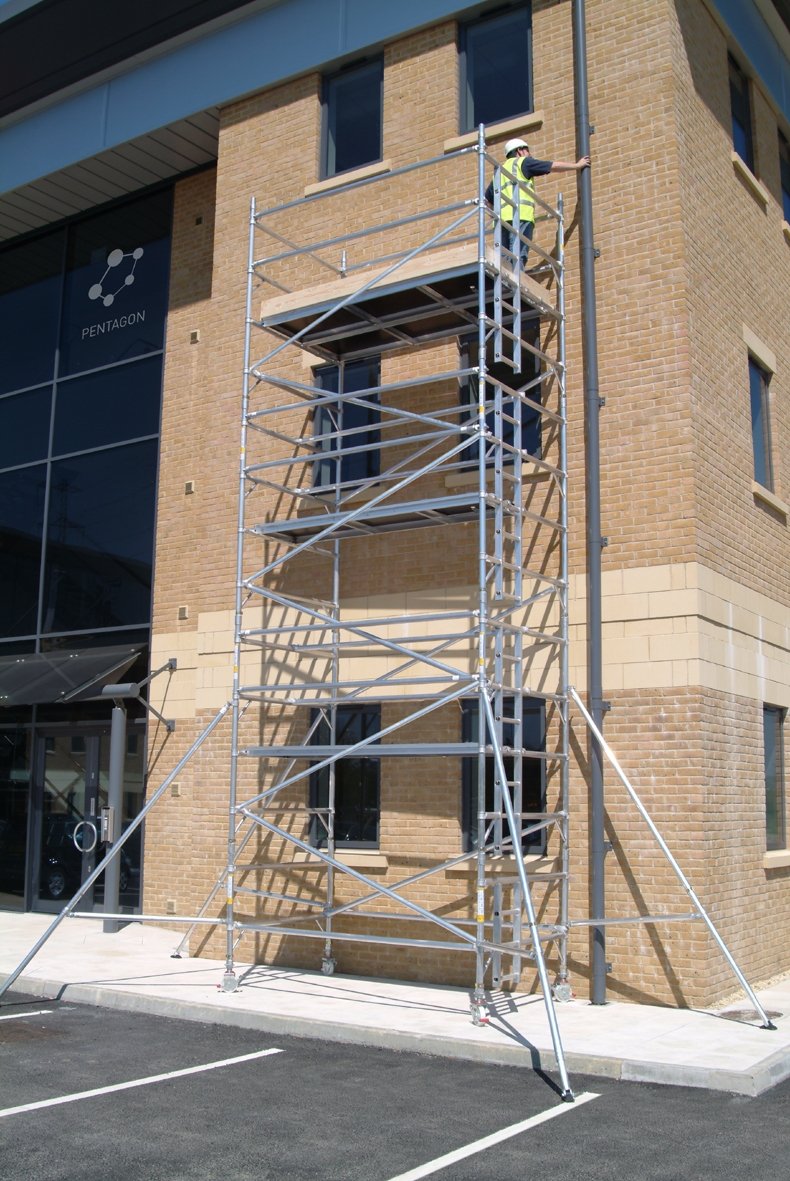
Setting up a mobile scaffold needs careful focus and following safety rules. By using these 10 tips, you’ll make sure your scaffold is steady, safe, and right for your task. Whether you buy Kwikstage scaffolding for long-term value or rent a scaffold for flexibility, stick to the best practices and safety tips to keep your workers safe and get your task done well.
For a more in-depth look at another popular scaffolding system, tube and clamp scaffolding, which offers a versatile framework for construction projects, you can visit the Tube and Clamp Scaffold Wikipedia page.
Update time:
Choosing a work platform is not just a matter of height and price. On a real construction site, builders also need to think about platform

When people buy scaffolding, they often focus on the main frame first: standards, ledgers, transoms and braces. The smaller components get added later. That is

Buying an aluminium scaffold tower can look straightforward. Pick a platform height, compare a few prices, check whether it fits through a doorway, and order
Choosing between aluminium and steel scaffolding is not simply a question of which material is stronger. On an Australian worksite, the better choice depends on
Modular construction is often described as a faster alternative to conventional building. Walls, floors, bathrooms or complete rooms can be manufactured away from the project,